Key Takeaways
- Visual Impact: Hardwax oils enhance grain depth and natural warmth; lacquers provide a cleaner, more contemporary film.
- Maintenance: Oiled floors are ‘spot-repairable’; lacquered floors require a full resand if the surface is breached.
- Chemical Resistance: Water-based lacquers offer superior resistance to household spills and cleaning chemicals.
- UK Humidity: British dampness affects drying times—lacquers dry faster but oils offer better moisture regulation in older homes.
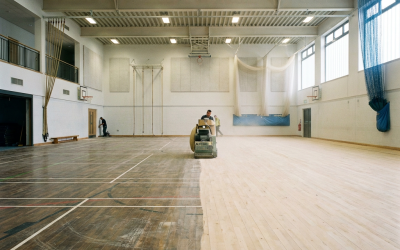
Congratulations, you have invested in professional floor sanding. Now comes the critical decision: how do you protect that beautiful, bare timber? For the British homeowner, the choice usually boils down to two giants of the industry: Osmo Hardwax Oil or Bona Water-Based Lacquer. Making the wrong choice can lead to a floor that doesn’t fit your lifestyle or, worse, one that fails prematurely in the unique UK climate.
The Problem: The ‘Finish’ Fatigue
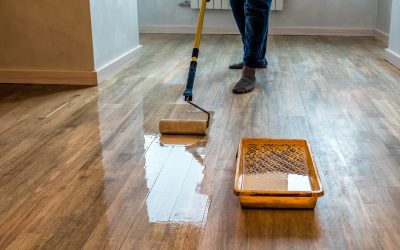
Many homeowners choose a finish based solely on a small sample board in a showroom. They don’t account for the reality of a wet Tuesday in November when the dog runs in with muddy paws, or the kitchen spill that goes unnoticed for an hour. The problem is that ‘oil’ and ‘lacquer’ work in fundamentally different ways. Oil penetrates the grain to protect from within, while lacquer sits on top as a protective shield. Choosing the wrong one for your traffic levels or maintenance habits is the fastest way to ruin a professional restoration.
The Agitation: The Cost of a ‘Breached’ Surface
If a lacquered floor is scratched deeply enough to reach the bare timber, moisture will enter and cause ‘grey staining’ under the finish. This cannot be cleaned; it requires a full resand of the entire room to fix a single scratch. Conversely, an oiled floor that isn’t regularly maintained with the correct wash will dry out and lose its water resistance, leading to permanent stains. In the UK, where moisture content in floorboards fluctuates with our central heating cycles, an inflexible or neglected finish will eventually flake or discolour, wasting the hundreds of pounds you spent on the initial sanding.
The Solution: A Technical Breakdown for Your Home
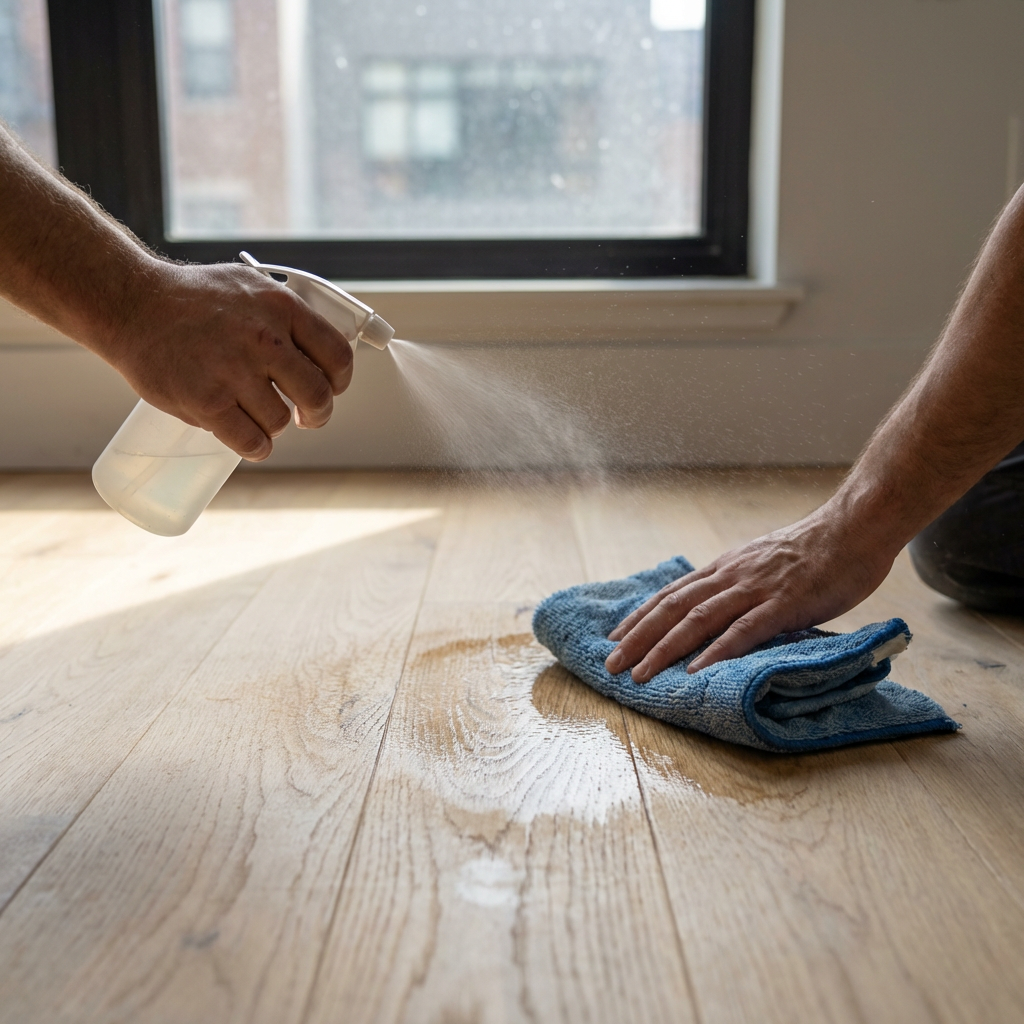
Pro-Tip: Water Popping for Oiled Oak
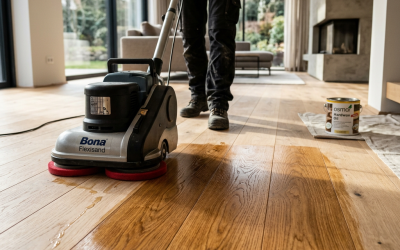
When using a hardwax oil like Osmo Polyx-Oil, we often recommend ‘water popping’. By lightly misting the sanded oak with water, we raise the grain, allowing the oil to penetrate deeper and more evenly. This creates a more ‘saturated’ look and prevents the oil from sitting on the surface, which can cause ‘tacky’ patches. This is especially effective in coastal properties (like those in Sussex) where the light is bright and any unevenness in the finish is immediately visible.
Water-Based vs. Hardwax Oil: The UK humidity factor
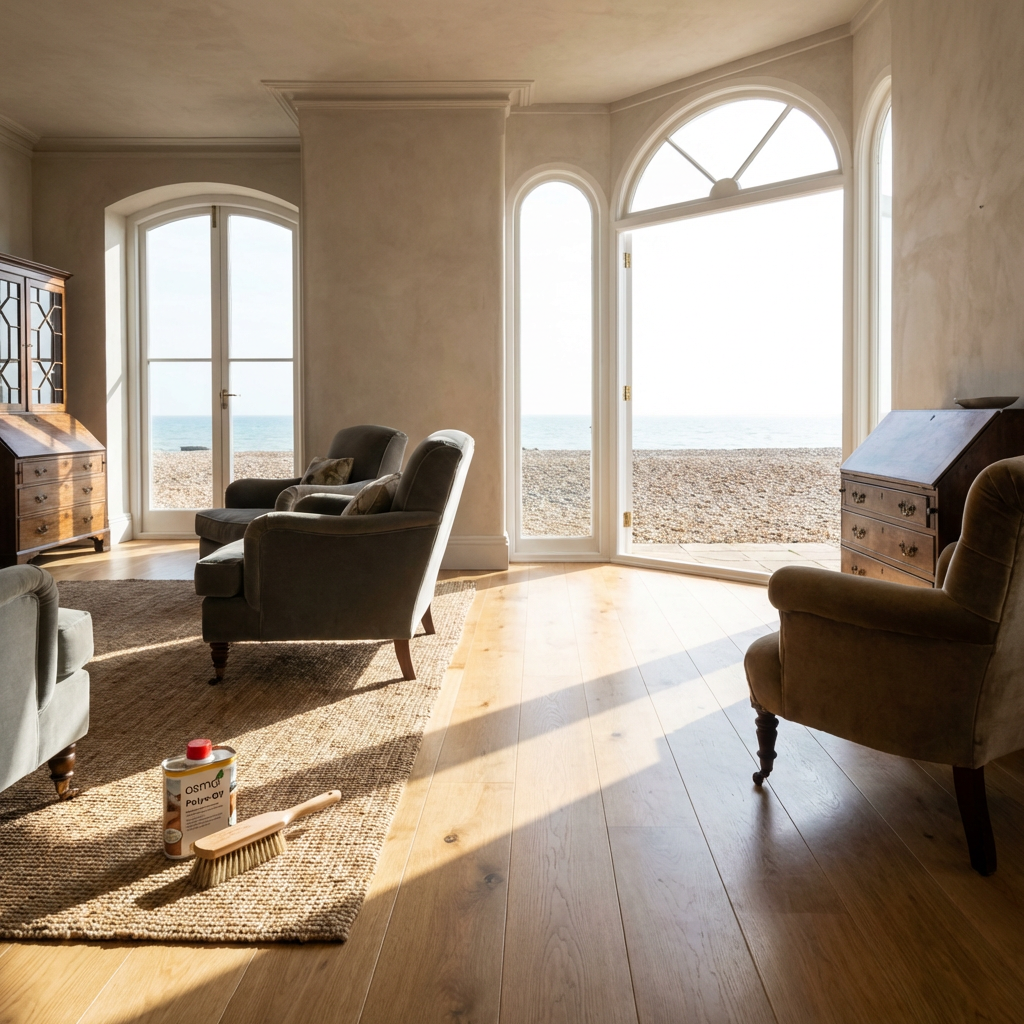
In the UK, humidity levels can vary significantly. Bona Traffic HD (a water-based lacquer) is remarkably fast-drying, often ready for a second coat in just 2-3 hours. However, in an older Victorian home with higher baseline moisture, an oil like Osmo allows the timber to ‘breathe’. If the air is particularly damp (above 65% humidity), Osmo’s drying time can extend from 8 hours to over 15. We use industrial dehumidifiers on-site to ensure the air is optimal for whichever finish you select.
The Curing Window and Aftercare
Regardless of the finish, the first 7 days are critical. While lacquers are chemically cured faster, oiled floors take longer to reach their full water-repellent potential. We advise using only a damp (not wet) microfibre mop and pH-neutral cleaners specifically designed for your finish. Using generic supermarket floor cleaners will strip the oils or dull the lacquer within months. For heritage properties, the ‘Pro-Tip’ is to use Osmo Wash and Care for oiled floors, as it contains a small amount of carnauba wax to replenish the surface with every clean.
Conclusion: Style Meets Substance
Whether you prefer the modern, ‘unpainted’ look of a Bona Traffic HD Natural finish or the rich, tactile warmth of an Osmo Hardwax Oil, the key is understanding how they interact with your lifestyle. A busy family kitchen may benefit from the shield of a lacquer, while a period living room is perfectly suited to the depth of an oil.
For more maintenance tips, check out our guide on hardwood floor refinishing or explore our recent post on wood floor sanding. If you have outdoor timber to maintain, read our expert advice on deck sanding. To explore the full range of Osmo oils, visit the Osmo official site.
Ready to choose your perfect finish? Visit our floor sanding Walthamstow homepage for a free consultation and sample service. All our prices are fully transparent and inclusive of professional application.